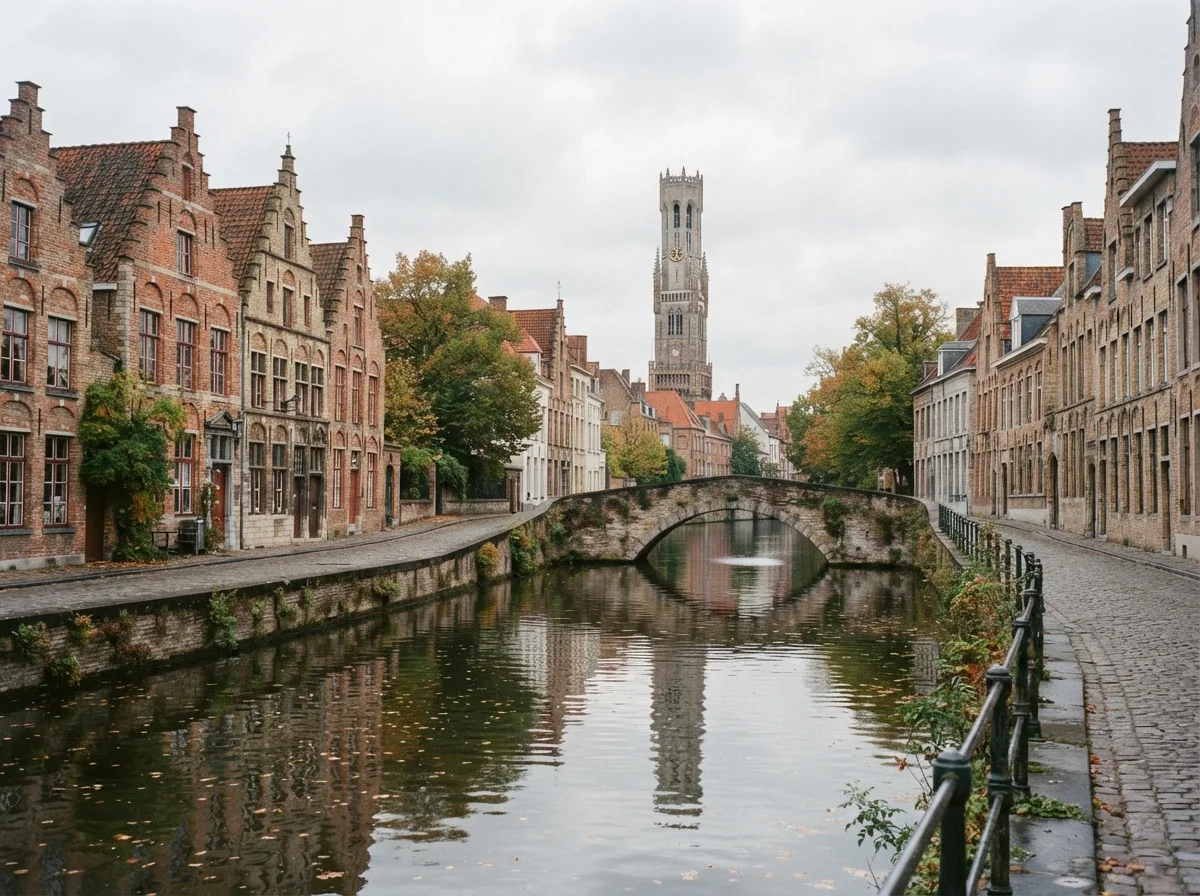
Flemish is the name commonly used for the Dutch spoken and written in Flanders, the northern half of Belgium, where about six and a half million people live, and it follows the same written standard as Dutch in the Netherlands while keeping its own vocabulary, pronunciation and legal terms. Port and logistics firms in Antwerp, chemical and pharmaceutical groups, fashion and design studios, diamond traders, EU institutions in Brussels, universities and families who handle civil papers across borders all need translation between Flemish and English. Belgium has three official languages, and a document may come from a Flemish court, a French speaking commune or a bilingual office in Brussels, so the translator must know which one applies. Dependable Flemish translation depends on a native linguist who knows Belgian terms and rules, writes for readers in Flanders rather than the Netherlands and keeps names, dates and figures exact across every document. This article describes common projects and what to prepare.
Typical projects
Requests include port and shipping contracts, pharmaceutical dossiers, chemical safety sheets, fashion and design brochures, diamond trade papers, company statutes, birth and marriage certificates, school and university records, court documents and medical files. Anyone looking for Flemish to English translation should state the receiving office, the target country and the deadline in the first message, because those facts decide wording, layout and certification.
Flemish, Dutch and local terms
The written standard is shared, but Belgian texts use their own words for administration, school, tax and law, and some everyday words differ from those used in the Netherlands. A Dutch translator who does not know Belgian terms may choose forms that sound foreign to readers in Flanders. Name the target region, share earlier approved texts and ask for a reviewer who lives and writes in Flanders.
Belgian legal and civil terms
Belgium has federal, regional and community levels, and the same document type may carry different names in each. Company forms, notary acts, municipal extracts and court judgments use fixed terms that must be rendered with the standard English equivalents. Keep the original term in brackets where no exact match exists, and check names of institutions against their official bilingual forms.
Names, places and bilingual files
Many place names exist in Flemish, French and sometimes German, and a record may use one form on the front and another on the stamp. Names of people should follow the passport in every document, and places should follow the form that the receiving office uses. Share the original scans so that the translator can check each stamp, seal and handwritten line.
Education and civil records
Universities and employers ask for degrees, transcripts and civil registry extracts with exact titles. Our guide to financial statement translation explains how pharma and port groups present accounts to foreign readers.
Certification and legalisation
Offices abroad may require a certified translation and an apostille or attestation on the original paper. Ask what they accept in writing, order the certificate with the translation and keep scans of every stamped page. Plan extra days when several offices must stamp the same file.
Checking the translation before you submit
Before you send the file, compare every name, number and date with the source, and confirm that stamps and handwritten notes are marked in brackets. Ask the translator to fix any slip at no charge and to supply the signed statement with their name and credentials. A short final check can save weeks of delay with an office that rejects documents for small errors.
Quotes, deadlines and revisions
Ask for a written quote that lists word count, certification, delivery date and the number of review rounds included. Share deadlines early, because certified copies and long contracts need extra time. Agree how corrections are requested, and keep one contact person on your side so that feedback reaches the translator in one clear message.
Pharmaceutical and chemical files
Dossiers, safety sheets and labels need exact terms, doses and hazard statements. Share the full file and the approved glossary, and ask the translator to keep units, codes and tables identical to the source.
Interpreting for meetings and hearings
Flemish interpreters support business negotiations, port visits, immigration interviews and court hearings. Share names, dates and a short agenda in advance, and avoid using children as interpreters, because accuracy and privacy both suffer.
Machine translation and review
Machine tools give a quick gist of Dutch text, but they often choose terms from the Netherlands and miss Belgian forms. Use them for rough understanding only and ask a native reviewer to check anything that will be submitted or published.
Storing your approved terms
After the first project, save approved names, titles and product terms in a short glossary and send it with every new order. Reuse of approved wording keeps documents consistent over months and lowers the cost of later projects.
Confidentiality and files
Send documents through a secure channel, share only what is needed and ask who will handle the files. Return all drafts in the same format as the original so that tables and stamps stay in place.
Where to read more
For a neutral overview of the history, dialects and standard form of the language, see the Wikipedia article on Flemish, which also covers its relation to Dutch.